
Healthcare IT & Security Guide
What is HIPAA Compliant Software and Why is it Essential?
A look into the critical safeguards that protect patient data and why choosing compliant software is a non-negotiable for any modern practice.
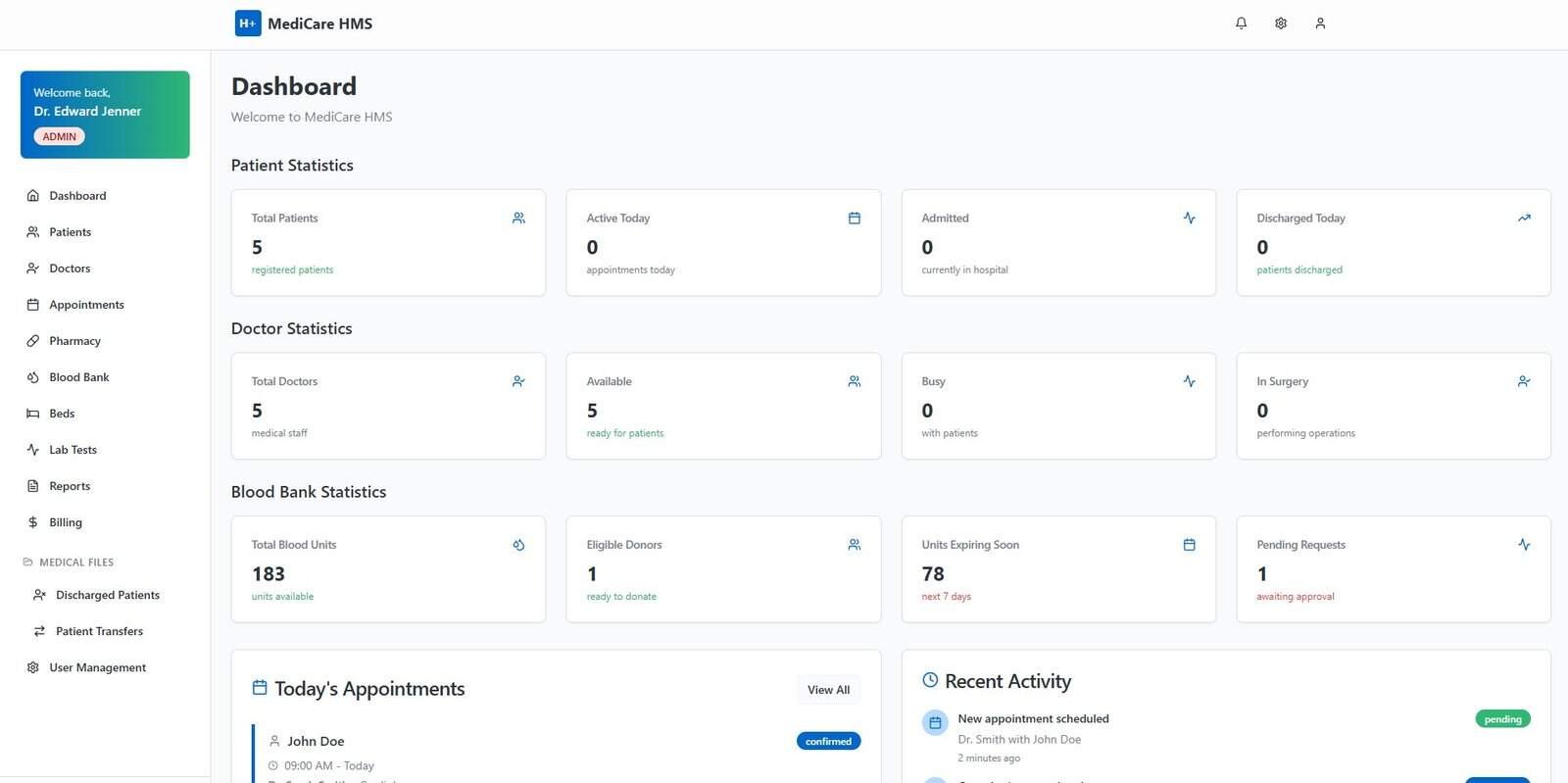
In the digital age of healthcare, data is everywhere. While this connectivity powers incredible advancements in patient care, it also introduces significant risks. The Health Insurance Portability and Accountability Act (HIPAA) was enacted to establish a national standard for protecting sensitive patient information. For any medical practice using digital tools, understanding and using **HIPAA compliant software** is not just a best practice—it’s the law.
But what does “HIPAA compliant” actually mean when it comes to software? It’s a term that signifies much more than just a feature; it represents a commitment to securing Protected Health Information (PHI) at every level.
What Makes Software HIPAA Compliant?
There is no official HIPAA certification from the U.S. government. Instead, **HIPAA compliant software** refers to a solution that implements specific security rules and safeguards designed to protect the integrity, confidentiality, and availability of PHI.
Crucially, compliance isn’t just about the software itself. It also involves the vendor’s willingness to sign a **Business Associate Agreement (BAA)**. This is a legally binding contract that requires the vendor (the “business associate”) to uphold the same standards of PHI protection as the healthcare provider. Without a BAA, you cannot use a software vendor to handle PHI.
Key Safeguards of HIPAA Compliant Software
HIPAA’s Security Rule outlines three types of safeguards that compliant software and its provider must implement:
1. Technical Safeguards
These are the technology-based controls that protect data within the system. Key examples include:
- Access Control: Every user must have a unique, traceable ID. The system must be able to grant access only to authorized personnel.
- Data Encryption: PHI must be encrypted both “at rest” (when stored on a server) and “in transit” (when sent over a network). This makes the data unreadable to unauthorized parties.
- Audit Controls: The software must log all access and activity involving PHI, creating an audit trail that shows who accessed what data, and when.
2. Physical Safeguards
These controls protect the physical hardware where PHI is stored, such as servers in a data center. A compliant vendor will use secure data centers with measures like restricted access, surveillance, and environmental controls.
3. Administrative Safeguards
These are the policies and procedures that govern the conduct of the workforce. This includes regular staff training on security protocols, having a designated security officer, and, as mentioned, having a signed BAA in place with all vendors who handle PHI.
Why Compliance is Non-Negotiable
Using non-compliant software is a risk no practice can afford to take. The importance of compliance comes down to four critical factors:
- To Protect Your Patients: This is the primary goal. Compliance ensures that sensitive patient information is kept private and secure, building essential trust.
- To Avoid Severe Penalties: HIPAA violations can result in staggering fines, ranging from thousands to millions of dollars per violation, not to mention potential legal action.
- To Mitigate Data Breach Risks: Compliant software significantly reduces the risk of a data breach, protecting your practice from devastating reputational and financial damage.
- To Enable Secure Data Exchange: Proper compliance is the foundation of secure interoperability, allowing you to safely share patient information with other providers.
Choose a Partner in Compliance
When selecting any software that will handle patient data—from an EHR system to a telehealth platform—verifying its HIPAA compliance is the most important step. Always ask for a vendor’s security documentation and ensure they will sign a Business Associate Agreement. Your patients’ trust and your practice’s future depend on it.
Ensure Your Practice is Fully Compliant
Our entire platform is built on a foundation of security and HIPAA compliance. We sign a BAA with every client and are committed to protecting your data with the highest industry standards. See how our solution can give you peace of mind.